Why Early Detection by a General Dentist Is So Important

Most people think of a dental visit as a search for cavities, a routine cleaning, or a quick polish before life moves on. In practice, a good exam is far more consequential than that. A general dentist often becomes the first clinician to spot small changes that point to bigger problems, not just in the teeth, but in the gums, jaw, bite, soft tissues, and sometimes overall health. That early moment, when something subtle is noticed before it becomes painful or expensive, is where a great deal of modern dentistry does its best work.
The reason early detection matters is simple. Dental disease rarely starts with drama. It starts quietly. Enamel softens long before a tooth cracks. Gums become inflamed long before teeth loosen. A grinding habit leaves faint wear patterns before a patient wakes up with jaw pain and headaches. A small white patch on the tongue or inside the cheek may look harmless to the untrained eye, yet deserve careful monitoring or referral. By the time a patient can clearly feel that something is wrong, the issue has often had months, and sometimes years, https://www.google.com/maps?cid=11867611376950550291 to progress.
That is why regular visits to a general dentist matter even for people who brush well, floss most days, and are not currently in pain. Prevention gets the attention, but detection is often the real turning point.
The value of finding trouble while it is still small
In dental care, timing changes everything. A tiny area of decay caught on an exam or X-ray may need a conservative filling. That same area left unchecked can spread into the dentin, then into the nerve, and eventually lead to infection. At that point, the treatment options are no longer simple. Instead of a modest restoration, the patient may be looking at root canal treatment, a crown, or even extraction and replacement.
The same pattern plays out with gum disease. Early gingivitis is common and usually reversible with improved home care and professional cleaning. Once the inflammation progresses deeper into the supporting tissues, however, the disease becomes harder to control. Bone loss cannot simply be brushed away. It can be managed, slowed, and treated, but not casually undone.
Patients often ask whether a few extra months really make that much difference. In many cases, yes. Dentistry is full of situations where a narrow window separates easy care from invasive care. A hairline crack that is diagnosed early may be protected with a crown before the tooth splits. Bite changes can sometimes be managed with minor adjustment or a guard if caught early, while long-term overload can lead to fractured cusps, mobility, or chronic temporomandibular joint symptoms. Small lesions on soft tissue may be watched, documented, and referred appropriately before they become advanced problems.
There is also a practical side that patients feel immediately. Earlier care tends to mean less drilling, less chair time, lower cost, and better preservation of natural tooth structure. Once healthy enamel or supporting bone is lost, dentistry becomes an exercise in repair. Skilled repair can be excellent, but preserving what nature gave you is almost always the better path.
What a general dentist is actually looking for during an exam
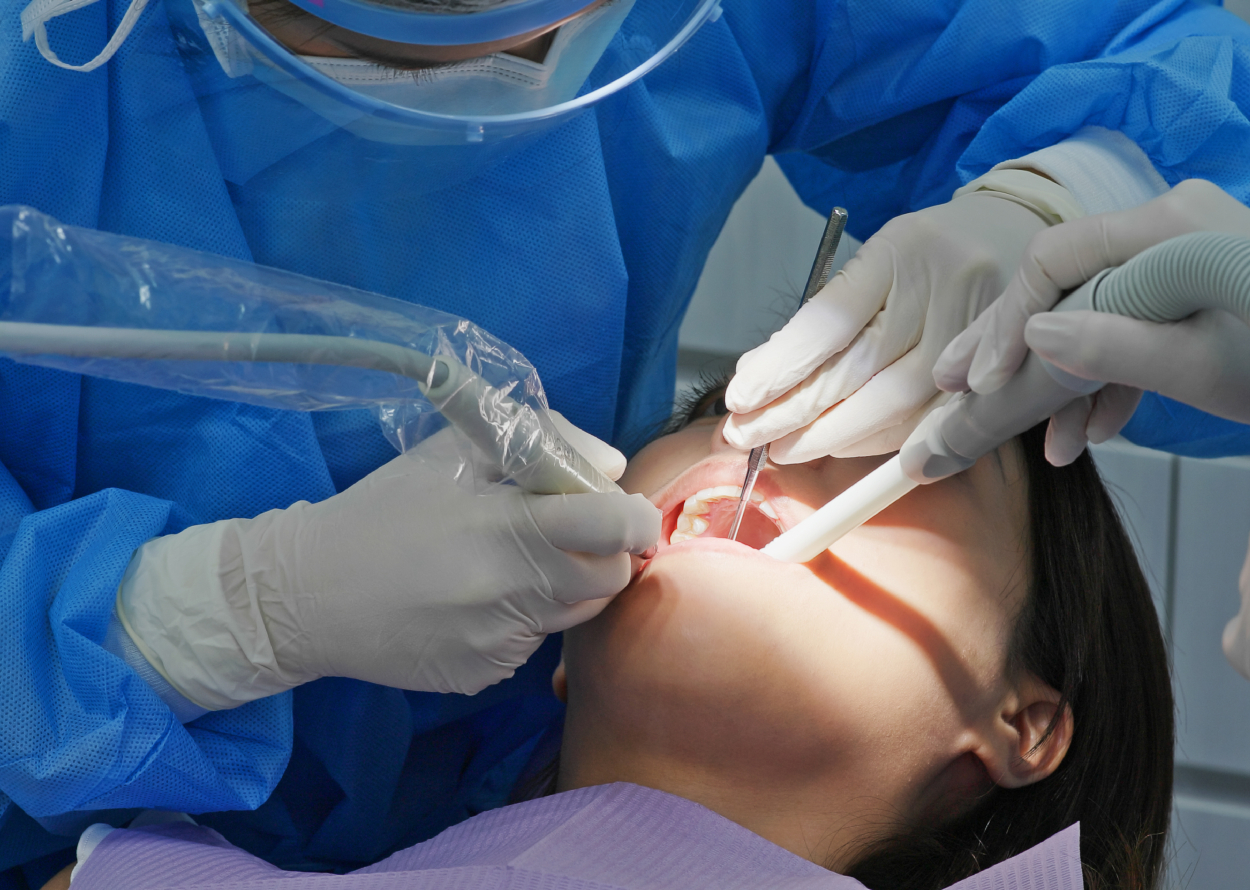
To many patients, the exam can seem straightforward. The dentist looks, probes, checks X-rays, asks a few questions, and moves on. Beneath that routine, there is a layered clinical assessment happening very quickly.
A general dentist is evaluating the obvious, such as cavities, old fillings, fractured teeth, and gum inflammation. But there is also a broader pattern-recognition process at work. Are there signs of dry mouth that raise the risk for rapid decay? Is one side of the mouth wearing down faster than the other? Has a tooth drifted, suggesting missing support or bite imbalance? Do the gums bleed in isolated areas or throughout the mouth? Does the tongue, palate, or cheek tissue show irritation, trauma, or lesions that need to be tracked? Is there a recurrent cavity forming under a restoration that still looks acceptable from the outside?
Sometimes the most important findings are the ones a patient would never notice. Decay between teeth can advance with little warning. Bone changes are usually invisible without radiographs. Root problems, impacted teeth, cyst-like areas, and early abscesses can develop quietly. A patient may say, quite honestly, that everything feels fine, while the exam tells a different story.
That is one reason experienced general dentists place so much value on comparison over time. A single visit offers a snapshot. A series of visits tells a story. Tiny changes become meaningful when seen against prior images, old charting, and previous notes. The spot that looked stable a year ago but now appears slightly larger becomes a different clinical conversation. The gum pocket that deepened from one appointment to the next may reveal a problem before major symptoms appear.
Cavities are only part of the picture
Public understanding of dentistry still tends to center on tooth decay, but early detection reaches much further. In everyday practice, some of the most important diagnoses involve wear, trauma, infection, and soft tissue changes.
Take bruxism, the habit of clenching or grinding. Many people do it in their sleep and have no idea. A general dentist may be the first to see flattened chewing surfaces, tiny fractures at the edges of teeth, muscle tenderness, or gum recession linked to excessive force. Catching that pattern early can preserve teeth that would otherwise chip, crack, or become increasingly sensitive.
The same goes for acid erosion. A patient may believe they are doing everything right because they brush diligently, yet a careful exam reveals thinning enamel and smooth, scooped-out areas near the gumline. The causes vary. Sometimes it is diet, with frequent acidic drinks, sparkling water consumed all day, or sports beverages during training. Sometimes it relates to reflux. Sometimes both. The teeth become the first place the problem announces itself.
Or consider oral cancer screening. Not every irregular patch is dangerous, and a dentist should never create alarm where none is warranted. Still, routine screening matters because early changes can be subtle. A lesion that does not heal, a patch that looks different from surrounding tissue, or an area of unexplained firmness may deserve follow-up or referral. When detected early, outcomes are generally far better than when signs are overlooked until pain, ulceration, or spread develops.
Even sinus issues, sleep-related problems, and some airway concerns can leave clues in the mouth and surrounding structures. A general dentist is not replacing a physician or specialist in these cases, but can be the professional who notices enough to ask the right question and direct the patient appropriately.
The difference between pain and disease
One of the most common misconceptions in dentistry is that if nothing hurts, nothing is wrong. Pain is a poor screening tool. Some serious dental problems cause no pain at all until late in their course. Others produce vague symptoms that patients dismiss, such as mild sensitivity, occasional bleeding, food trapping, or a sense that a filling feels slightly different.
This gap between symptoms and actual disease matters enormously. Gum disease can advance without dramatic discomfort. A failing filling may leak for a long time before it causes sensitivity. A cracked tooth may only bother a patient when biting one particular way, then stop for weeks. A chronic infection near the root can show up on an X-ray well before the patient notices swelling.
In clinical practice, this is often the turning point in patient understanding. Someone comes in for what they expect will be a standard cleaning and leaves surprised to learn there is a fractured restoration, moderate periodontal involvement, or a lesion that needs observation. They were not careless. They were simply relying on pain as a signal, and pain arrived late or not at all.
A good general dentist knows how to communicate this without sounding alarmist. The goal is not to make patients anxious. It is to help them understand that a calm mouth is not always a healthy mouth, and that routine evaluation is a form of protection, not just maintenance.
Why early detection often saves money, time, and natural teeth
Patients sometimes postpone visits because they expect bad news or assume a small issue can wait. Ironically, delay often creates the very outcome they were hoping to avoid.
Small restorations tend to be less expensive than large ones. Monitoring a suspicious area can be simpler than rebuilding after failure. Managing early gum disease is usually less intensive than treating advanced periodontal breakdown. Once a tooth has lost a great deal of structure, the sequence often becomes more complex: build-up, crown, possible root canal, and if prognosis worsens, extraction followed by implant, bridge, or removable replacement. Each step can be clinically appropriate, but the cumulative cost in money, time, and tissue is much higher.
There is also the hidden cost of disruption. Dental emergencies rarely happen at convenient times. A patient who ignores a cracked tooth may end up calling in pain before a trip, before a wedding, or during a demanding work week. What could have been a planned appointment becomes an urgent one, sometimes with temporary treatment first and definitive treatment later.
From a biological standpoint, the stakes are even clearer. Dentistry can restore a great deal, but it cannot fully recreate untouched natural tooth structure. Every time a restoration is replaced, it usually becomes a bit larger. This is not a sign of poor care. It is a consequence of repairing something that has already been repaired. Early detection helps keep interventions smaller and the long-term cycle of retreatment slower.
Children, teens, and the adults who think they are low risk
Early detection takes different forms across age groups. In children, a general dentist may spot crowding patterns, habits, or eruption issues before parents notice anything unusual. Sometimes the value is not immediate treatment but timing. A referral to an orthodontist at the right stage can simplify future care. Signs of mouth breathing, enlarged tonsils, enamel defects, and uneven wear can also surface early, often with implications beyond aesthetics.
Teenagers present a different set of patterns. Sports injuries, dietary habits, inconsistent hygiene, and erupting wisdom teeth can all shift the clinical picture quickly. Adolescents who seem cavity-free one year may return with multiple decalcified areas if orthodontic appliances, energy drinks, or changing routines are part of the story.
Adults often assume that if they have had few dental problems in the past, they will continue to do well with minimal oversight. That assumption can fail for several reasons. Medications can reduce saliva. Stress can increase clenching. Gum recession can expose more vulnerable root surfaces. Old dental work eventually ages. Pregnancy, chronic illness, reflux, and changes in diet all influence oral health in ways patients may not anticipate.
Older adults face additional concerns, particularly where dryness, root decay, dexterity challenges, and medical complexity intersect. The patient who never had a cavity in youth may become high risk later in life because the conditions in the mouth are no longer the same. This is another area where a general dentist provides continuity. Risk is not fixed. It changes with age, habits, health status, and prior dental history.
The human side of being noticed early
There is a quiet relief that comes when a problem is found before it becomes severe. Patients rarely celebrate the discovery of a tiny cavity or a suspicious area that needs watching, but they often appreciate, sometimes only in hindsight, that someone was paying close attention.
One patient may come in annoyed about needing an exam before a cleaning, only to learn that a crown margin has started to fail and food has been packing under it for months. Another may mention mild jaw fatigue almost as an afterthought, and the dentist recognizes an escalating grinding pattern before major fractures occur. A third may have a small tissue change documented, rechecked, and referred promptly because it did not resolve as expected. In each case, the benefit is not dramatic in the moment. The benefit is what did not happen later.
Good dentistry has many of these almost invisible wins. The abscess that never formed. The tooth that did not split. The gum loss that was slowed. The lesion that was not ignored. Early detection does not always produce a memorable story for the patient because it prevents the kind of story nobody wants.
Technology helps, but judgment matters more
Modern diagnostic tools have improved what a general dentist can detect. Digital radiographs, intraoral cameras, periodontal charting systems, transillumination in selected cases, and better imaging all contribute to earlier and more precise identification of problems. Photos can help patients understand what the dentist sees. Serial X-rays can reveal changes that are difficult to explain with words alone.
Still, technology is only as useful as the judgment behind it. Not every dark shadow requires immediate intervention. Not every groove needs drilling. Not every white spot lesion should be treated the same way. One of the marks of an experienced general dentist is knowing when to act, when to monitor, when to change home care, and when to refer.
This is where nuance matters. Over-treatment is not a virtue, and neither is watchful waiting when a lesion is clearly progressing. The best dentists live in that middle ground, where they balance evidence, clinical findings, patient risk, symptoms, age, and reliability of follow-up. A low-risk patient with an early enamel lesion might benefit most from fluoride, diet changes, and review at the next interval. A high-risk patient with dry mouth, frequent new decay, and poor access for cleaning may need a more active approach.
Patients can sense the difference when clinical judgment is sound. The conversation feels measured. Options are explained clearly. The dentist can say, with confidence, not just what is present, but why it matters now rather than later.
What patients can do to make early detection work
The dentist plays the central diagnostic role, but patients influence the process more than they realize. Regular attendance matters, of course, but so does communication. If a tooth feels different when chewing, mention it, even if it only happens once a week. If gums bleed in one area, say so. If a night guard suddenly fits differently, if dry mouth has worsened, if reflux has been flaring, or if a medication changed, those details help shape the exam.
Photos and X-rays are often more persuasive than explanation alone, so patients should not hesitate to ask what the dentist is seeing. Understanding the reason for treatment tends to improve follow-through. It also helps patients distinguish between urgent findings and areas that can be watched responsibly.
Home care remains essential, but it should be realistic. A person who receives perfect brushing instructions but has severe dry mouth from medication may still struggle. Someone with crowded lower front teeth may need tools beyond a standard toothbrush. Early detection works best when it leads to tailored prevention, not generic advice.
For most people, a few habits support earlier, easier intervention:
- Keep routine exams, even when nothing hurts.
- Report small changes instead of waiting for them to become obvious.
- Ask whether old fillings, crowns, or gum conditions are stable over time.
- Follow through on recommended monitoring, especially for cracks, lesions, and periodontal issues.
- Let the dental team know about health, medication, or lifestyle changes that affect the mouth.
These steps are not glamorous, but they are effective. They reduce the chance that a manageable issue turns into a disruptive one.
Why the general dentist is often the first line of defense
Specialists play a critical role in dental care, but the general dentist is usually the professional who sees the whole picture first. That broad scope matters. During routine care, the general dentist looks across disciplines at once. Restorative concerns, periodontal changes, bite issues, oral pathology, signs of airway or sleep-related problems, and the condition of existing dental work all come into focus in a single appointment.
That kind of continuity is hard to replicate elsewhere. A general dentist often sees patients over many years, sometimes decades. They know what the mouth looked like before the crown was placed, before the recession deepened, before the clenching worsened, before the child’s bite began to shift. That historical context makes early detection stronger because subtle changes stand out more clearly.
It also builds trust, which is clinically useful. When patients trust the examiner, they are more likely to act on early recommendations instead of waiting. They understand that a small intervention is not an upsell or an overreaction. It is an attempt to preserve health while the problem is still manageable.
There is a practical humility in good general practice. Not every concern can be fully resolved in one chair by one clinician. But many serious problems can be recognized there first, and that recognition changes the outcome. A timely referral to a periodontist, endodontist, oral surgeon, orthodontist, or physician often begins with a sharp-eyed general dentist who noticed something early and took it seriously.
The real payoff of routine care
The greatest value of regular dental visits is not the clean feeling at the end of an appointment, though patients understandably enjoy that. The deeper value is that someone trained to recognize early disease is checking for the things you cannot easily see or feel yourself.
That matters because mouths are remarkably good at compensating until they cannot. People chew on the other side, avoid a cold drink, ignore a little bleeding, or adapt to a bite that no longer feels quite right. Life gets busy, symptoms remain tolerable, and months pass. Early detection interrupts that drift.
When a general dentist identifies change at the beginning rather than the end, treatment can stay smaller, healthier tissue can be preserved, and the patient keeps more control over the process. That is the quiet strength of routine dental care. Not just fixing what hurts, but finding what threatens health before it has the chance to become obvious.
Smyle Dental Newhall
Address: 23754 Newhall Ave, Santa Clarita, CA 91321
Phone number: +16612559200
FAQ About General dentist
What does it mean by general dentist?
A general dentist is your primary dental care provider. They focus on the overall prevention, diagnosis, and treatment of your daily oral health needs. Think of them as your primary care doctor, but for your teeth and gums.
What is the difference between a dentist and a general dentist?
A dentist is a broad professional title for any licensed oral healthcare provider, while a general dentist is a specific type of primary care dentist who focuses on routine, preventive, and everyday treatments.
What is the difference between a dentistry practitioner and a dentist?
A dentist is a licensed doctoral-level healthcare professional, whereas a dental practitioner is a broader umbrella term that can include dentists as well as other trained oral health professionals.