General Dentist Santa Clarita CA Care for Children and Adults
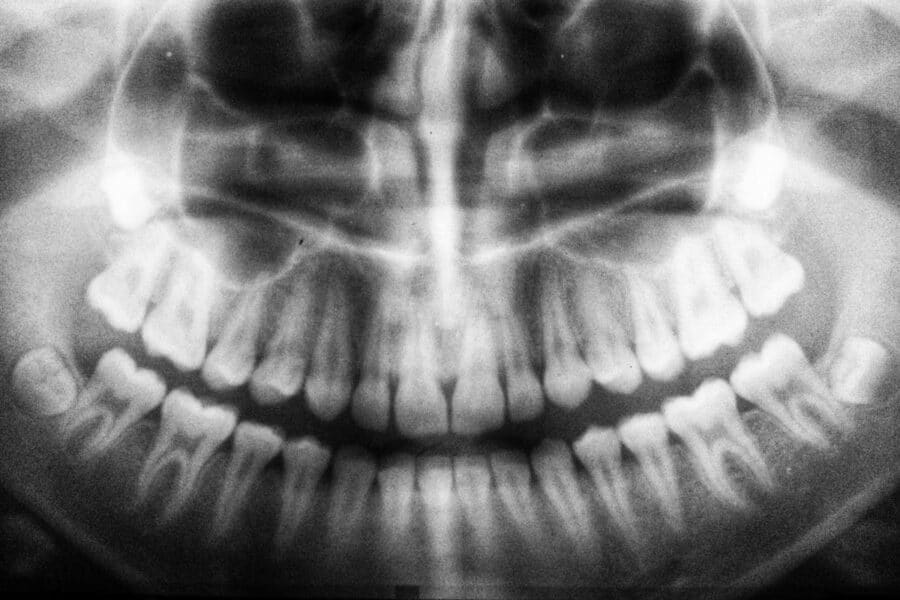

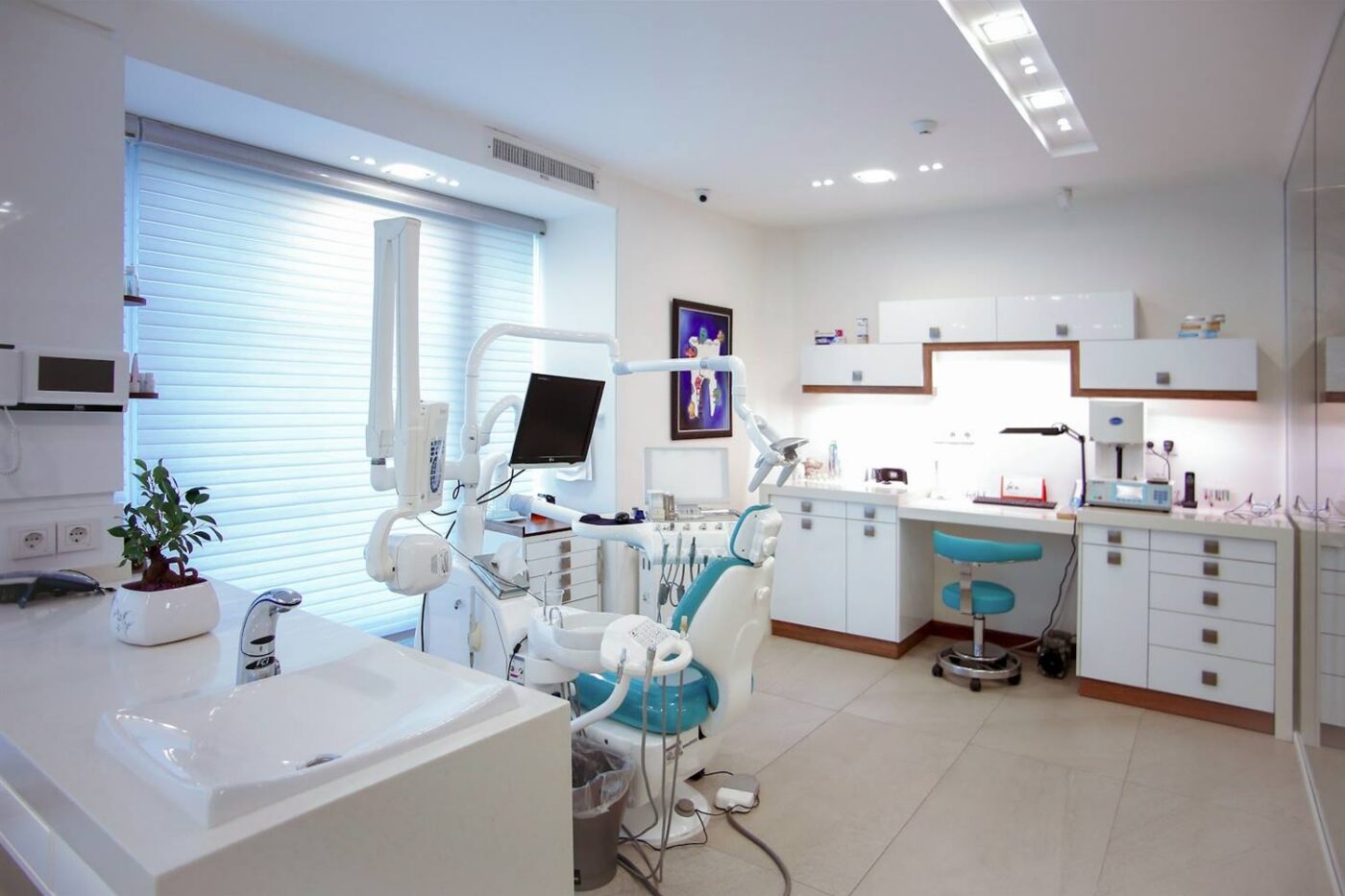
Finding a dental home that works for the whole family is rarely as simple as checking office hours and insurance. Children need patience, prevention, and a calm introduction to care. Adults often need something different, such as maintenance after years of fillings, help with gum health, or a realistic plan for cosmetic concerns that fit a budget. Older adults may be dealing with worn teeth, dry mouth from medications, crowns that have reached the end of their lifespan, or the early signs of bone loss. A strong general practice can meet all of those needs under one roof, which is why so many families start by looking for a general dentist Santa Clarita CA residents can trust over time.
That long view matters. Dentistry works best when care is not purely reactive. The most successful outcomes usually come from steady observation, small interventions at the right moment, and a relationship with a team that knows your history. A tiny area of enamel wear on a teenager, for example, might be nothing more than sports-related grinding, or it could be an early clue that the bite is under strain. A little bleeding during flossing might clear up with better technique, or it might point to inflammation that deserves a closer look. These are details a general dentist notices because they have seen the patient over months and years, not just during a single urgent visit.
What a general dentist actually does for a family
People sometimes hear the phrase "general dentistry" and think only of cleanings and fillings. In practice, the scope is broader. General dentists are often the first line for preventive care, diagnosis, restorations, oral hygiene coaching, and care coordination when specialty treatment is needed. They track changes that can be easy to miss at home, such as recession around one lower front tooth, repeated fracture lines in old fillings, or a child whose adult teeth are erupting in a way that may need orthodontic attention later.
For children, general dental care often begins with building comfort. The first few appointments can shape how a child feels about dental care for years. A skilled team knows how to keep the visit predictable and age-appropriate. That might mean counting teeth out loud for a preschooler, introducing instruments slowly, or deciding that a short polishing visit is enough for one day rather than pushing through a full set of X-rays before the child is ready. Good pediatric experiences are not about theatrics. They are about pacing, trust, and clear communication with parents.
For adults, the role shifts. There is still prevention, of course, but there is also planning. Many adults in their thirties, forties, and fifties carry dental work from earlier decades. Fillings wear. Crowns loosen. Gum tissue changes. Stress shows up as clenching, especially during busy periods at work or after life transitions. A general dentist helps sort urgent problems from slow-moving ones. Not every chipped tooth needs a crown right away. Not every dark stain is a cavity. Judgment matters, and conservative treatment often matters just as much.
For older adults, routine care becomes even more valuable. A patient who takes several medications may deal with dry mouth, which raises cavity risk in a major way. Another may have arthritis that makes flossing difficult. Some are caring for spouses or grandchildren and have delayed their own treatment. In these cases, the best dental plan is not always the most extensive one. Sometimes it is the most manageable one, staged in a way that protects health without overwhelming the patient.
Why local care in Santa Clarita makes a difference
There is something practical about seeing a dentist close to home. That sounds obvious, but convenience is not a small detail in family healthcare. It affects consistency. Parents are more likely to keep recall appointments when the office is a short drive from school or work. Busy adults are more likely to follow through on a crown seat, a night guard adjustment, or periodontal maintenance when it does not turn into a half-day event.
Santa Clarita families also tend to juggle packed schedules. Sports, commutes, school calendars, and seasonal travel can make preventive appointments surprisingly hard to maintain. A local general dentist Santa Clarita CA patients can reach easily often becomes the anchor point that keeps care on track. That continuity reduces the stop-and-start cycle that leads to larger, more expensive treatment later.
Community familiarity helps too. A local office often understands the pace of the area and the everyday pressures families face. That may show up in practical ways, such as keeping siblings booked together, working with school-hour constraints, or recognizing that a college student home for break needs treatment done efficiently before leaving again. These details are not glamorous, but they are often what make care sustainable.
Preventive care is where the real savings happen
Most people think about cost when something hurts. By that point, the least expensive treatment window may have already passed. Preventive dentistry does not eliminate every problem, but it often makes problems smaller, simpler, and less disruptive.
A routine exam and cleaning can reveal early decay before it reaches the nerve. Professional hygiene visits can reduce inflammation before it turns into deeper periodontal damage. Bite checks can catch a high filling or a grinding pattern before a crown cracks. Fluoride, sealants for children, oral hygiene coaching, and diet counseling all sound basic, yet these basics routinely prevent bigger procedures.
Parents often ask whether baby teeth matter if they are going to fall out anyway. They do. Baby teeth hold space, support chewing and speech, and influence how children experience dental care overall. A painful cavity in a child can affect sleep, concentration, and eating habits. It can also turn future appointments into stressful ones. Treating problems early, or preventing them altogether, is easier on the child and usually easier on the family budget.
For adults, prevention often means preserving work that is already in the mouth. A well-fitting crown still needs monitoring. Gum recession around an old filling can create a new vulnerable edge. A patient with excellent brushing habits may still have heavy tartar buildup behind the lower front teeth because of saliva chemistry and crowding. Preventive care is not a generic routine. It should reflect how that individual mouth behaves over time.
What to expect from a family-centered dental visit
A good general practice does more than move patients through rooms. The visit should feel organized, thorough, and calm. New patients usually benefit from an office that takes time to understand both current concerns and history. That includes more than just the teeth. Medical changes, pregnancy, medications, past dental anxiety, jaw symptoms, and sleep habits all affect oral health.
Children benefit when expectations are set gently. Adults benefit when options are explained plainly. No one benefits from pressure. One of the clearest signs of a high-quality practice is the ability to explain treatment in a way that makes sense without sounding rehearsed or rushed. If a filling is recommended, you should understand why now is the right time. If a watch area is being monitored rather than treated, you should know what the team is looking for and what might change that decision.
Here are a few signs that a general practice is thinking like a long-term partner rather than a repair shop:
- The team explains findings in plain language and welcomes questions.
- Treatment plans are prioritized, so urgent needs are separated from elective improvements.
- Children are introduced to care at a pace they can handle.
- Preventive advice is specific to the patient, not a generic script.
- Follow-up is clear, including what to expect after treatment and when to return.
These may sound simple, but they shape the whole experience. Dentistry feels more manageable when patients understand what is happening and why.
Care for children, from first visit through the teen years
Children’s dentistry changes quickly as they grow. A toddler’s appointment is very different from a middle school checkup, and both differ from teen care. The best general dentists adjust their approach accordingly.
Early visits are mostly about comfort, development, and prevention. Parents often want to know whether thumb sucking is becoming a concern, when to start flossing, or whether crowding is developing. Sometimes the answer is straightforward. Other times it requires watchful waiting. Not every spacing issue in a six-year-old needs intervention. Not every delayed eruption is a problem. The point is not to overreact, but not to ignore patterns either.
School-age children often need reinforcement around technique and diet. Juice, sports drinks, frequent snacks, and sticky processed foods can undo otherwise good brushing habits. A child who brushes twice a day may still get cavities if sugary exposure is constant. In practice, small habit changes often work better than strict rules. Switching from sipping juice all afternoon to having it only with a meal can lower cavity risk meaningfully. Water after snacks helps. So do sealants on susceptible molars when appropriate.
Teenagers present a different set of challenges. Orthodontic appliances can trap plaque. Sports can increase the need for custom mouthguards. Stress and poor sleep may show up as clenching or headaches. Diet often becomes more independent, and so do skipped routines. A teenager with otherwise healthy teeth can develop white spot lesions around braces surprisingly fast if hygiene slips. Honest, direct education matters at this stage, especially when it treats the teen as a participant rather than speaking around them.
Adult dentistry is often about maintenance, repair, and judgment
By adulthood, many patients are balancing function, appearance, time, and cost all at once. One person wants to replace a stained front filling before a wedding. Another has not been in for several years and worries they will be judged. A third has no pain but keeps breaking small corners off back teeth and needs to understand why.
This is where experienced general dentistry becomes especially valuable. Many adult cases are not technically dramatic, but they require careful judgment. A worn tooth may need bonding, a crown, or https://www.chamberofcommerce.com/members/claim-business?slug=2001714255-smile-center-santa-clarita&id=2001714255 just monitoring and a night guard, depending on how much structure remains and how active the wear pattern is. Gum bleeding may be solved with improved home care and more frequent cleanings, or it may need periodontal therapy. Old silver fillings are not automatically a problem. Some last decades. Others leak at the margins and need replacement. Knowing the difference is part of the craft.
Cosmetic concerns also deserve a measured approach. Patients often ask about whitening, veneers, or replacing dark fillings. Those options can be helpful, but not every cosmetic complaint needs the most aggressive solution. Mild discoloration may respond well to bleaching. Small chips may be repaired conservatively with bonding. If the bite is unstable, cosmetic work should not be rushed before the functional issues are addressed. A beautiful result that chips within months is not good care.
Adults with dental anxiety need particular sensitivity. Many have a story behind that fear, often an old appointment where pain was dismissed or treatment was poorly explained. A good office takes that seriously. Sometimes the turning point is surprisingly basic: a slower exam, the ability to pause, numbness checked carefully before treatment starts, or clear communication about what sensations are normal. Trust is built in details.
Restorative treatment should be practical, not performative
There is a tendency in healthcare marketing to make everything sound dramatic. Most patients do not need drama. They need solutions that work.
If a tooth has a cavity, the goal is to remove the decay while preserving as much healthy structure as possible. If a tooth is cracked, the decision between monitoring, filling, crown, or extraction depends on the crack pattern, symptoms, bite forces, and long-term outlook. If a tooth is missing, the right replacement option depends on neighboring teeth, bone support, oral hygiene, finances, and patient preference.
General dentists help patients weigh trade-offs. A crown can protect a heavily restored tooth, but it also involves reducing more tooth structure than a filling. A removable appliance may be more affordable than a fixed option, but it may feel bulkier and require more adaptation. Whitening can brighten teeth well, but it may not change the shade of older crowns and fillings, which then creates a matching issue. These are not reasons to avoid treatment. They are reasons to discuss treatment honestly.
One of the most helpful conversations in adult dentistry is priority setting. Patients sometimes arrive assuming everything must be done at once. Often it does not. Stabilizing active disease comes first. Pain, infection, and high-risk decay areas take precedence. Cosmetic upgrades can often wait until the mouth is healthy and stable. That sequence usually leads to better outcomes and less stress.
Gum health deserves more attention than it gets
Teeth usually get the spotlight, but gum health is foundational. Inflamed gums bleed more easily, collect bacteria more readily, and can gradually lose attachment if disease advances. The frustrating part is that gum disease is not always painful early on. People can feel fine and still have significant inflammation.
Regular cleanings are important, but home care determines what happens between visits. Technique matters more than force. Overbrushing can damage gums, while rushed brushing leaves plaque along the gumline. Flossing helps, but only if it is done thoroughly enough to clean below the contact point rather than just snapping between teeth. Patients with bridges, implants, or orthodontic appliances may need different tools altogether.
This is one area where personalized instruction makes a real difference. A right-handed patient may consistently miss the same back molar surfaces. Someone with tight crowding may do better with a water flosser in addition to string floss. A patient with dry mouth may need prescription-strength fluoride and saliva-support strategies. Generic advice sounds fine, but tailored advice changes habits.
How to choose the right dental home for your family
The right office is not always the flashiest one. It is the one that fits your family’s needs and communicates clearly. Before scheduling, it helps to think about what matters most. For one household, that may be convenience and pediatric comfort. For another, it may be management of complex adult dental work. For many, it is a mix of both.
A few questions can clarify whether a practice is the right fit:
- Do they provide care for both children and adults comfortably?
- Are treatment recommendations explained clearly, including alternatives?
- Can the office handle routine prevention, restorative needs, and referrals when necessary?
- Do scheduling and location make regular visits realistic?
- Does the team seem attentive to anxiety, medical history, and long-term planning?
These questions are not about finding perfection. They are about finding consistency, transparency, and a style of care that works in real life.
When to schedule, even if nothing hurts
Pain is a late messenger in dentistry. By the time a tooth aches spontaneously, the problem is often more advanced than people realize. Regular exams matter precisely because they catch what cannot be felt yet. Small cavities, worn fillings, gum inflammation, bite issues, and early cracks often give dentists a chance to intervene before the tooth becomes a weekend emergency.
That matters for children, whose small cavities can progress quickly. It matters for adults, whose packed calendars make last-minute treatment hard to absorb. And it matters for older patients, who may be managing health conditions that complicate delayed care. An appointment made during a calm season is usually easier than one forced by pain.
The strongest argument for seeing a general dentist Santa Clarita CA families can rely on is not just convenience or comprehensive services. It is continuity. Dentistry is one of those fields where the little observations add up. A dentist who has watched a child grow, maintained a parent’s restorations, and adjusted an older adult’s care as health changes has context that no urgent care visit can replicate. Over time, that context protects teeth, lowers stress, and helps the whole family make better decisions about oral health.
When care is thoughtful, local, and consistent, dental visits stop feeling like isolated chores. They become part of how a family stays well.
Smyle Dental Newhall
Address: 23754 Newhall Ave, Santa Clarita, CA 91321
Phone number: +16612559200
FAQ About General dentist Santa Clarita CA
What does it mean by general dentist?
A general dentist is your primary dental care provider. They focus on the overall prevention, diagnosis, and treatment of your daily oral health needs. Think of them as your primary care doctor, but for your teeth and gums.
What is the difference between a dentist and a general dentist?
A dentist is a broad professional title for any licensed oral healthcare provider, while a general dentist is a specific type of primary care dentist who focuses on routine, preventive, and everyday treatments.
What is the difference between a dentistry practitioner and a dentist?
A dentist is a licensed doctoral-level healthcare professional, whereas a dental practitioner is a broader umbrella term that can include dentists as well as other trained oral health professionals.