Choosing the Right General Dentist in Santa Clarita CA for Your Family

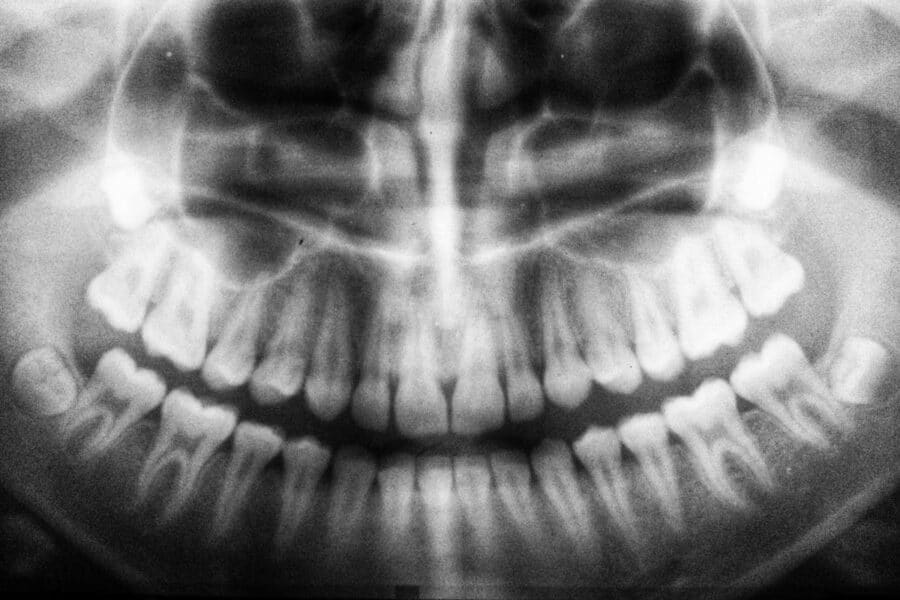

Finding a dentist for one person is fairly straightforward. Finding the right dental home for an entire family is a different kind of decision. You are not only thinking about cleanings and fillings. You are thinking about school schedules, insurance limitations, anxious children, aging parents, weekend toothaches, and whether the office you choose will still feel like a good fit five years from now.
That is why the search for a general dentist in Santa Clarita CA deserves more thought than a quick glance at online ratings. A polished website can tell you that a practice offers preventive care, restorative treatment, and cosmetic options. It cannot tell you whether the front desk handles billing clearly, whether the dentist takes time to explain treatment, or whether your eight-year-old will walk out less afraid than when they walked in.
Families usually stay with a trusted dentist for a long time. When the relationship works, it simplifies life in a way people often underestimate. Appointments become easier to coordinate. Dental records stay in one place. Small problems get noticed before they turn into expensive ones. Children grow up seeing routine care as normal rather than stressful. That kind of continuity matters.
What a general dentist actually does for a family
Many people hear the term "general dentist" and think only of twice-yearly cleanings. In practice, a good general dentist serves as the central point for most everyday oral health needs. That includes exams, digital X-rays, gum evaluations, cavity treatment, crowns, preventive guidance, oral cancer screenings, and referrals to specialists when a case falls outside general care.
For families, that broad scope is useful. A teenager may need a sports mouthguard and close monitoring of wisdom teeth. A parent may need a crown after an old filling cracks. A younger child may need sealants and coaching on brushing technique that actually works at home. An older adult may need help managing dry mouth related to medication. These are different needs, but they often fit comfortably within one general practice.
The strongest family dental offices also understand the life stage behind the treatment. A parent with a packed workday may need an efficient visit with clear pricing. A child may need a slower pace and simple language. A retiree may want to discuss how diabetes or heart medication affects gum health. Technical skill matters, but so does practical judgment.
Why location in Santa Clarita matters more than people think
Convenience is not a shallow factor. It affects whether people actually keep up with care. Santa Clarita families often juggle commutes, school pickups, after-school activities, and traffic patterns that can turn a short drive into a stressful one at the wrong hour. A dental office that looks perfect on paper can become a burden if getting there means losing half a day.
A good location does not need to be the closest office to your home. Sometimes the better choice is near work, school, or a route you already drive several times a week. What matters is repeatability. If regular visits feel manageable, your family is more likely to attend preventive appointments and less likely to postpone treatment until something hurts.
Parking, office hours, and appointment availability matter just as much as street address. A practice that offers early morning visits, occasional evening slots, or family block scheduling can remove a great deal of friction. I have seen families stay loyal to a dentist for years simply because the office respected their time and made routine care easy to maintain.
The difference between credentials and fit
Credentials should be the floor, not the finish line. You want a licensed dentist with solid training, a clean professional reputation, and ongoing continuing education. Those basics are nonnegotiable. But many technically qualified dentists will not necessarily be the right fit for your family.
Fit shows up in quieter ways. Does the dentist explain findings in plain English, or do they rush through a treatment plan with too much jargon? Do they recommend conservative care when appropriate, or does every visit somehow lead to a long list of urgent procedures? Does the office make your child feel welcome without being gimmicky? Does the dentist seem comfortable treating patients across age groups?
One family I know changed practices after years with a highly credentialed dentist because every appointment felt tense. The dentistry itself was fine. The issue was communication. The parents never felt sure what was truly necessary, and their daughter dreaded visits because the staff moved too quickly and spoke over her. Their new office was less flashy, but the dentist paused, answered questions directly, and built trust. That changed everything.
What to notice during your first interaction
You can learn a surprising amount before anyone leans back in a dental chair. The first phone call, online inquiry, or front desk conversation often reveals how a practice operates under normal conditions. If the staff seems rushed, vague, or dismissive before you are even a patient, that is worth noting.
Listen for clarity. Can they explain insurance participation without sounding uncertain? Do they tell you what records to bring, how long the first appointment usually takes, and what happens if a child is nervous? Are they transparent about fees for uninsured patients? A well-run office usually has straightforward answers.
The atmosphere in the waiting area also tells a story. Cleanliness matters, of course, but so does organization. A calm front desk, respectful staff interactions, and a sense that patients are being moved through thoughtfully are all good signs. A busy office is not necessarily a problem. Chaotic is.
Signs of a family-friendly dental practice
A practice can advertise itself as family-focused and still miss the mark. Real family-friendly care is practical, not decorative. It is less about bright paint on the walls and more about how the office adapts to different ages and temperaments.
Children need patience and predictability. Adults need honesty and efficiency. Older relatives may need extra help understanding treatment sequences or financial options. The right general dentist in Santa Clarita CA can shift communication style without changing standards of care.
Here are a few signs that often point to a strong family practice:
- The office is comfortable scheduling multiple family members together or back to back when possible.
- Staff explain treatment and costs clearly before work begins.
- The dentist balances prevention with restraint, rather than recommending aggressive treatment for every minor issue.
- Children are spoken to directly, in age-appropriate language, rather than being ignored while adults talk around them.
- The practice has a clear plan for after-hours concerns and urgent dental problems.
None of these signs alone guarantees a perfect experience, but together they usually reflect a practice that understands family life beyond the clinical chart.
Preventive philosophy matters
Many dental decisions are shaped by the office's philosophy of care. Some practices emphasize prevention and watchful monitoring when appropriate. Others move toward intervention quickly. Neither extreme is ideal in every case. What you want is judgment.
Take a small area of enamel wear, for example. One dentist may recommend immediate treatment. Another may document it, explain the likely causes, and monitor it over time while suggesting a night guard or brushing changes. The best choice depends on the patient, the rate of change, symptoms, and overall risk. A trustworthy dentist will explain the reasoning rather than present a one-size-fits-all answer.
For families, a prevention-oriented office usually offers better long-term value. Good preventive care means regular exams, thorough cleanings, realistic home-care coaching, fluoride or sealants when indicated, and attention to habits that affect oral health. It also means noticing patterns early. A child who breathes through the mouth, a parent who clenches during stressful workdays, or a grandparent whose medications increase cavity risk all benefit from a dentist who https://jaideneeqd921.lowescouponn.com/the-benefits-of-local-care-from-a-general-dentist-in-santa-clarita-ca connects those dots.
Insurance, fees, and the real cost of care
Cost matters, and families should not feel embarrassed about asking direct questions. The cheapest option is not always the most affordable in the long run. Poorly done work, rushed diagnosis, or unclear billing can become expensive fast.
At the same time, a higher fee does not automatically mean better care. Some excellent neighborhood practices keep fees reasonable and focus on consistency rather than luxury branding. The key is transparency. You should understand what is covered by insurance, what is estimated, what alternatives exist, and what happens if treatment needs to be staged over time.
Ask how the practice handles pre-treatment estimates. Ask whether they discuss phased care for larger treatment plans. Ask what payment options exist for uninsured services. These are normal questions, and a good office should answer them comfortably.
It is also wise to pay attention to how treatment urgency is framed. If every finding is presented as a crisis requiring immediate expensive intervention, pause and ask for explanation. Sometimes prompt treatment is absolutely necessary. Sometimes there is room for monitoring, prioritization, or conservative alternatives. Context is everything.
Technology is useful, but it should support judgment
Patients often see websites promoting digital imaging, intraoral cameras, same-day restorations, and other modern tools. Many of these technologies are genuinely helpful. They can improve diagnosis, documentation, comfort, and efficiency. But technology should support clinical judgment, not replace it.
An intraoral photo that shows a crack can help a patient understand why a crown is being recommended. Digital X-rays can reduce wait time and aid record keeping. Better instruments can make cleanings more comfortable. Those are real benefits. Still, technology is only valuable when the dentist uses it thoughtfully and can explain what it means in your specific case.
If a practice leads every conversation with gadgets but struggles to answer basic questions about diagnosis, prevention, or alternatives, that is worth noticing. Families usually do best with dentists who combine up-to-date tools with practical, experienced decision-making.
How to evaluate communication when treatment is recommended
Sooner or later, most families will hear that someone needs more than a routine cleaning. That is the moment when trust either deepens or weakens. The recommendation itself is only part of the picture. The explanation matters just as much.
A strong dentist will tell you what they found, why it matters, how urgent it is, what the options are, and what may happen if you wait. They will also be willing to answer follow-up questions without becoming defensive. This is especially important with larger plans involving multiple teeth, crowns, gum treatment, or referrals.
You do not need a lecture. You need enough information to make a sensible decision. In my experience, the best dentists can do this without overselling or oversimplifying. They know how to be precise without overwhelming people.
If you are weighing a new family dentist, consider asking a few practical questions during an exam or consultation:
- What treatments do you handle in-house, and when do you usually refer to a specialist?
- How do you approach care for anxious children or adults?
- If you find several issues at once, how do you prioritize them?
- What is your process for explaining insurance estimates and out-of-pocket costs?
- How do you handle urgent problems outside routine office hours?
The answers will tell you a great deal about the office's style, not just its services.
Paying attention to children’s experiences
Children often reveal the truth about a dental office faster than adults do. A child who feels rushed, scolded, or frightened may resist future appointments, even if the treatment itself was routine. On the other hand, a calm, respectful first experience can shape attitudes toward dental care for years.
That does not mean a dentist needs to turn every visit into entertainment. In fact, some children do better in a simple, predictable environment than in one that is overstimulating. What matters is that the team knows how to pace the visit, explain what is happening, and respond without frustration if a child is hesitant.
Parents should also pay attention to how preventive advice is given. Good pediatric guidance is specific and realistic. It sounds like, "Try brushing after the bedtime snack is completely done," or "This back molar groove is deep enough that sealants may help," not vague reminders to brush better. The best advice fits actual family routines.
When a specialist referral is a good sign
Some patients view referrals as a weakness. Usually, the opposite is true. A confident general dentist knows where their scope ends and when a specialist can provide the best outcome. Orthodontists, endodontists, periodontists, oral surgeons, and pediatric dentists all have roles in certain cases.
What matters is how the referral is handled. A thoughtful general dentist explains why the referral is being made, what the specialist will evaluate, and how care will be coordinated afterward. This keeps the patient from feeling passed around or abandoned.
For families, that coordination matters a great deal. If a child needs orthodontic evaluation or a parent needs root canal treatment, the general dentist should remain part of the overall care picture. The most effective practices act like a home base, not just a checkpoint.
Reviews help, but they need interpretation
Online reviews can be useful, but they need to be read with judgment. A string of short five-star comments saying only "great staff" does not tell you much. A detailed review that mentions clear communication, fair billing, gentle care, and follow-up after treatment is more informative. So is a measured negative review that describes a specific concern rather than general anger.
Look for patterns instead of isolated praise or complaints. If many people mention long waits, confusing billing, or pressure to accept costly treatment, pay attention. If families repeatedly mention that the office is patient with children and explains care well, that is meaningful too.
Still, reviews should be one part of the decision, not the whole thing. The right fit for your family may not be the practice with the slickest online presence. Sometimes the most dependable offices have modest marketing and strong patient loyalty built over years.
Red flags that deserve a second look
Most people sense red flags before they can name them. The office feels pushy. The treatment plan seems oversized. No one can explain the bill in plain terms. Those impressions should not be ignored.
A few concerns tend to come up repeatedly in families who later switch dentists. One is pressure, especially pressure to commit to major treatment immediately without a clear explanation. Another is inconsistency, where each visit seems to produce different messages from different staff members. A third is lack of respect for time, with repeated delays and poor communication.
There is also a subtler issue: overpromising. Dentistry is skilled healthcare, not magic. Good dentists are careful about guarantees, realistic about outcomes, and honest about trade-offs. If everything sounds easy, painless, instant, and perfect, ask more questions.
Choosing for the long term
The best family dentist is rarely the one who impresses you the most on day one. More often, it is the one who proves reliable over ordinary years. They remember a child's anxiety and adjust the next visit accordingly. They monitor a borderline issue instead of rushing into treatment. They squeeze in a patient with a broken tooth before a holiday weekend. They explain a bill clearly when insurance falls short. They earn trust in small ways that add up.
When you search for a general dentist in Santa Clarita CA, think beyond the first cleaning. Picture your family's needs over time. Picture the child who will become a teen with changing dental risks. Picture the adult who may one day need a crown, night guard, or gum treatment. Picture the older parent who values patience and clarity. The right practice can support all of that.
A family dentist should make care feel manageable, informed, and steady. That is what you are really choosing. Not just a provider, but a relationship that helps protect your family's health without adding unnecessary stress to everyday life.
Smyle Dental Newhall
Address: 23754 Newhall Ave, Santa Clarita, CA 91321
Phone number: +16612559200
FAQ About General dentist Santa Clarita CA
What does it mean by general dentist?
A general dentist is your primary dental care provider. They focus on the overall prevention, diagnosis, and treatment of your daily oral health needs. Think of them as your primary care doctor, but for your teeth and gums.
What is the difference between a dentist and a general dentist?
A dentist is a broad professional title for any licensed oral healthcare provider, while a general dentist is a specific type of primary care dentist who focuses on routine, preventive, and everyday treatments.
What is the difference between a dentistry practitioner and a dentist?
A dentist is a licensed doctoral-level healthcare professional, whereas a dental practitioner is a broader umbrella term that can include dentists as well as other trained oral health professionals.